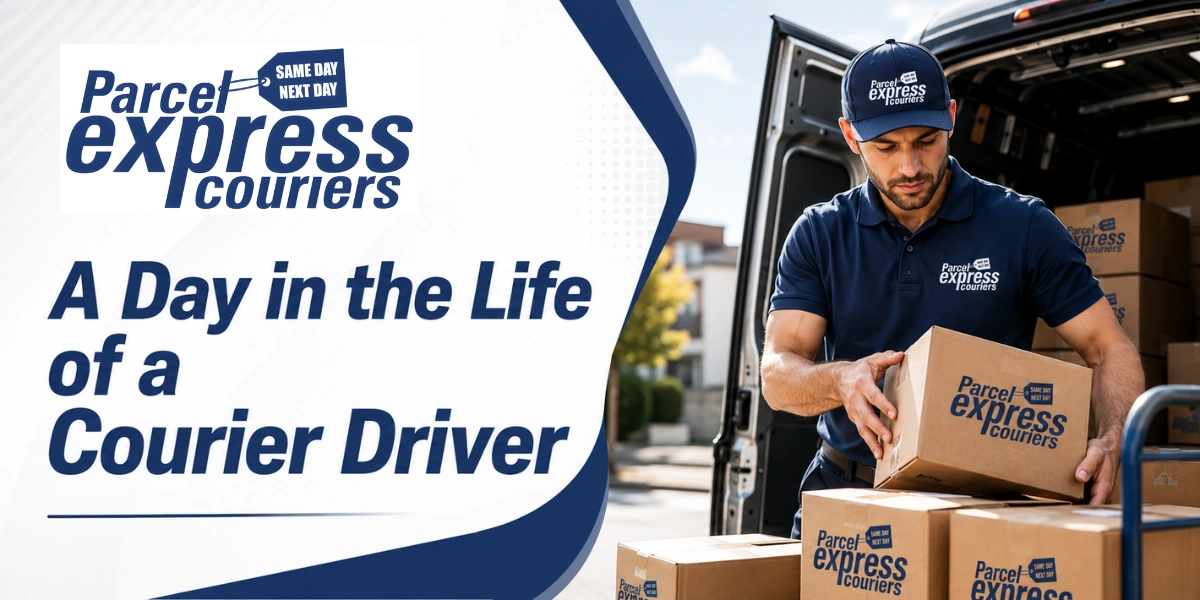
Every parcel delivered on time is the result of teamwork, careful planning, and quick decision-making. While customers usually see only the collection and delivery, a courier driver’s day involves working closely with dispatchers, warehouse staff, route planners, customers, and other team members to ensure every consignment reaches its destination safely and on time. Here’s what a typical day looks like for a professional courier driver.
Starting the Day with Vehicle Checks and Job Briefing
A courier driver’s day often starts early at the depot or operating centre. Before leaving, drivers inspect their vehicle by checking the tyres, brakes, lights, fuel or battery level, mirrors, and cargo area. Any issues are reported immediately so they can be resolved before the vehicle goes on the road.
Drivers also meet with the dispatch or operations team to receive their schedule. During this briefing, they review collection times, delivery deadlines, special handling instructions, and any urgent consignments that require priority. This helps everyone start the day with a clear plan.
Planning the Best Delivery Route
Once the day’s jobs are confirmed, drivers work with the dispatcher or route planner to organise the most efficient route. The goal is not only to save time but also to meet customer delivery windows and reduce unnecessary mileage.
When planning the route, the team considers:
- Which deliveries are time-critical and must be completed first.
- Current traffic conditions, roadworks, and weather updates.
- The shortest and safest route between collections and deliveries.
- Opportunities to group nearby deliveries without delaying urgent jobs.
Even after leaving the depot, drivers stay in contact with the operations team, who provide updates if road conditions change or new urgent bookings come in.
Loading the Vehicle with the Warehouse Team
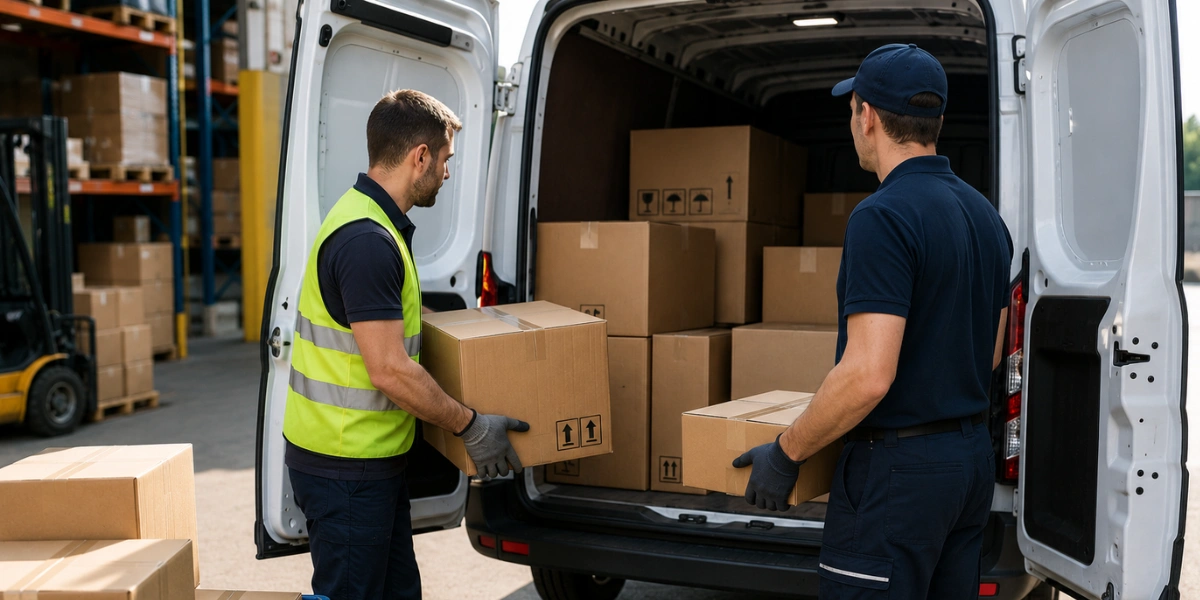
Loading a courier van is more than simply placing parcels inside. Drivers often work alongside warehouse staff to ensure every package is loaded safely and in the correct order.
Together, they make sure:
- Heavy parcels are loaded first to keep the vehicle balanced.
- Fragile and valuable items are protected from damage.
- Urgent deliveries are placed near the doors for quick access.
- Hazardous or specialist items follow the correct handling procedures.
Proper loading saves time at every stop and reduces the risk of damaged goods during transport.
Collecting Parcels from Customers
Throughout the day, drivers collect parcels from businesses, warehouses, hospitals, and private customers. Before loading each item, they confirm collection details, check labels, and ensure the correct parcel is being transported.
Customers may also provide additional instructions, such as preferred delivery times, security requirements, or handling advice for fragile items. Clear communication at this stage helps prevent mistakes later in the journey.
Delivering Parcels Safely and On Time
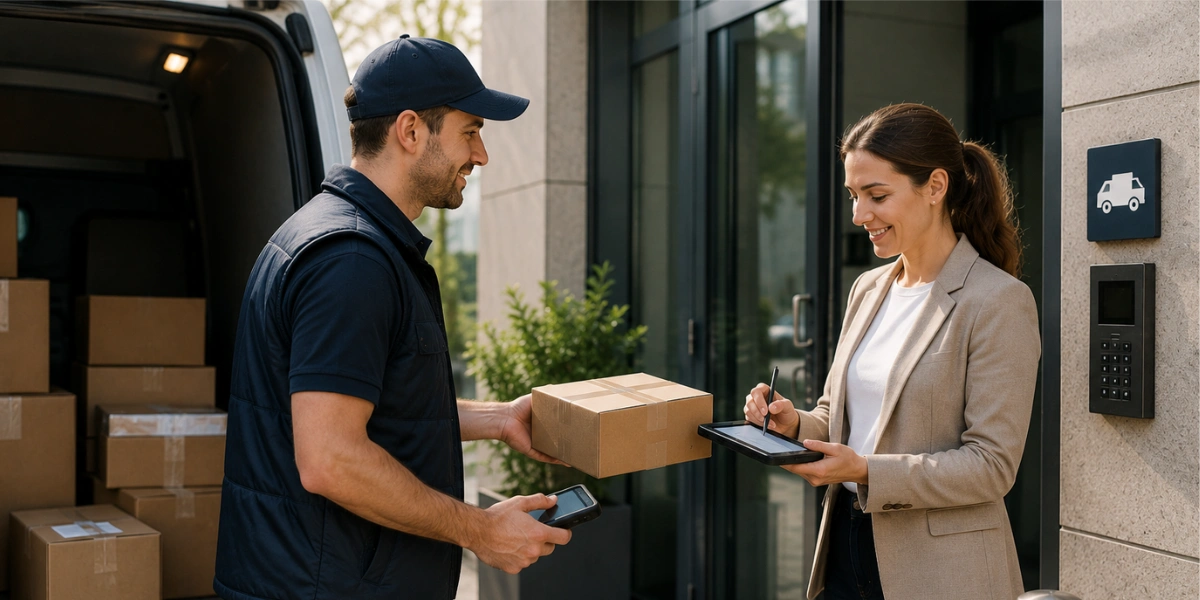
Every delivery is different. Some involve dropping off documents at an office, while others require delivering medical equipment, engineering parts, retail stock, or urgent business supplies.
At each stop, drivers:
- Confirm the delivery address and recipient details.
- Obtain a signature or digital proof of delivery.
- Follow site-specific procedures for hospitals, warehouses, or secure buildings.
- Update the delivery status so customers receive real-time confirmation.
Professional drivers understand that every parcel is important, whether it is a single envelope or a high-value shipment.
Managing Unexpected Challenges
No delivery day goes exactly as planned. Drivers regularly face traffic congestion, accidents, road closures, incorrect addresses, and customers who are unavailable.
Instead of working alone, they stay in contact with the operations team to find the best solution. Together they may:
- Reroute deliveries to avoid traffic delays.
- Contact customers to arrange alternative delivery times.
- Reorganise the remaining schedule to keep urgent deliveries on time.
- Coordinate with other drivers if additional support is required.
Good communication allows problems to be resolved quickly while maintaining excellent customer service.
Handling Urgent Same-Day Deliveries
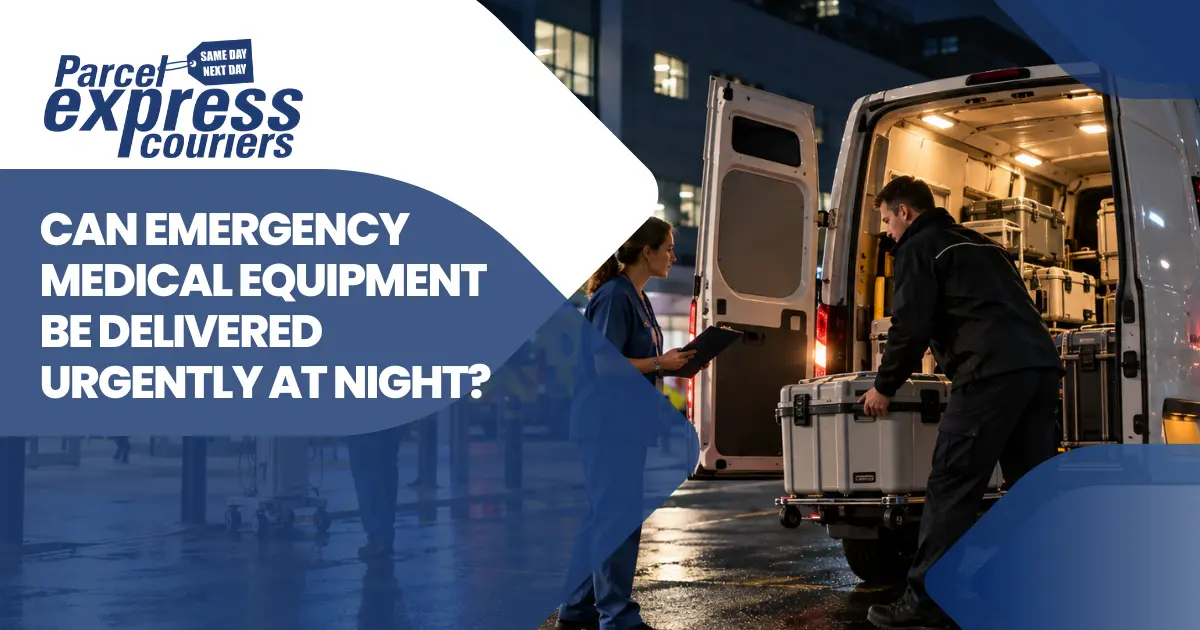
Urgent deliveries often arrive without notice. A customer may need an important legal document delivered immediately, a hospital may require medical supplies, or an engineering company may need replacement parts to prevent production delays.
When these bookings are received, the operations team quickly assigns the nearest available driver. The driver collects the parcel immediately and travels directly to the destination without making unnecessary stops, ensuring the fastest possible delivery.
Using Technology Throughout the Day
Modern courier drivers rely on technology to complete deliveries efficiently. GPS navigation, route optimisation software, parcel scanning devices, and mobile communication tools help drivers stay connected throughout the day.
Technology allows drivers to:
- Receive new delivery jobs instantly.
- Navigate around traffic delays.
- Capture digital signatures and delivery photographs.
- Update parcel tracking in real time.
- Communicate directly with dispatch and customers.
These systems improve accuracy and provide customers with greater confidence in the delivery process.
Ending the Working Day
After the final delivery, drivers return to the depot or complete their final paperwork remotely. They update delivery records, report any issues encountered during the day, and return undelivered parcels if necessary.
The vehicle is then inspected, cleaned if required, and prepared for the following day’s work. Drivers may also discuss the day’s performance with the operations team, providing feedback that helps improve future routes and delivery efficiency.
Final Words
A courier driver’s role is about much more than driving. Every successful delivery depends on close collaboration between drivers, dispatchers, warehouse staff, customers, and support teams. From planning routes and loading vehicles to solving problems on the road and completing urgent deliveries, every stage requires organisation, communication, and professionalism.
Whether transporting a confidential document, medical equipment, aircraft parts, or a customer’s parcel, courier drivers help keep businesses operating and ensure important deliveries reach their destination safely and on time every day.